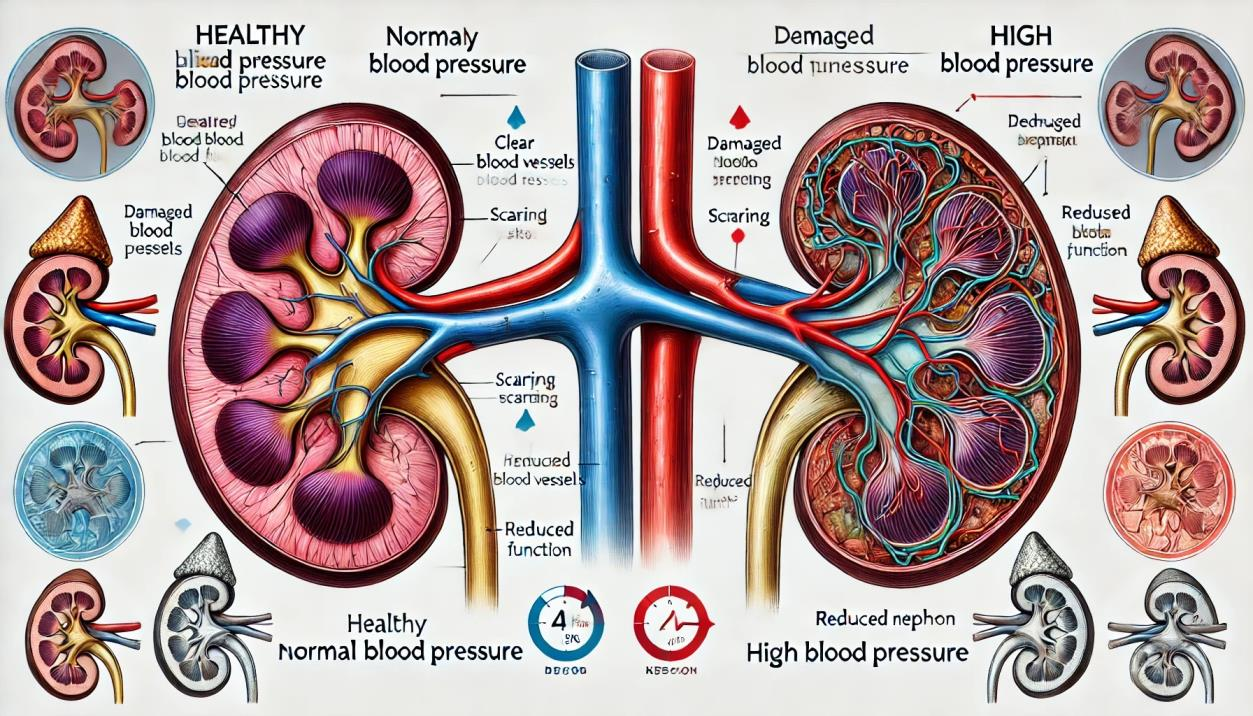
The Effect of Hypertension on Kidney Function
High blood pressure, also known as hypertension, affects millions of people worldwide and is a significant risk factor for various health complications, including kidney disease. Understanding how high blood pressure can impact kidney function is crucial for maintaining optimal health and preventing the development of serious kidney conditions.
The kidneys play a crucial role in filtering waste products, excess water, and toxins from the blood. They also help regulate blood pressure by balancing sodium and potassium levels. However, when blood pressure is consistently high, it puts excessive strain on the blood vessels in the kidneys, leading to damage over time.
The effect of high blood pressure on kidney function is two-fold. Firstly, it causes the blood vessels in the kidneys to narrow and become less flexible, inhibiting proper blood flow. This restricted blood flow can result in decreased kidney function and eventually lead to chronic kidney disease.
Secondly, high blood pressure increases the pressure within the filtering units of the kidneys, known as glomeruli. Over time, this increased pressure damages the delicate filtering membranes, impairing their ability to effectively remove waste products and excess fluid from the blood. This can result in the accumulation of toxins and water retention.
It is crucial to recognize the impact of high blood pressure on kidney health and take proactive measures to prevent further damage. By managing blood pressure levels through lifestyle modifications, medication, and regular monitoring, individuals can reduce their risk of developing kidney disease and preserve kidney function.
Remember, early detection and intervention are key to protecting kidney health and overall well-being. By understanding the link between high blood pressure and kidney function, individuals can make informed decisions and work towards maintaining optimal kidney health.
What is High Blood Pressure?
High blood pressure, also known as hypertension, is a common medical condition that occurs when the force of blood against the walls of the arteries is consistently too high. This excess pressure strains the blood vessels and can lead to various health problems if left untreated.
Blood pressure is measured in two numbers: systolic pressure and diastolic pressure. The systolic pressure represents the force when the heart contracts and pumps blood, while the diastolic pressure represents the force when the heart is at rest between beats. Normal blood pressure is typically around 120/80 mmHg.
When blood pressure rises above the normal range, it puts extra strain on the arteries, heart, and other organs, including the kidneys. Over time, this increased pressure can cause damage to the blood vessels, reducing their ability to effectively supply oxygen and nutrients to vital organs.
High blood pressure can lead to serious health complications, such as heart disease, stroke, and kidney disease. It is often referred to as the "silent killer" because it frequently goes unnoticed, as it does not usually cause noticeable symptoms.
Therefore, regular blood pressure check-ups are crucial to detect and manage hypertension.
If left untreated, high blood pressure can lead to the development of kidney disease. The kidneys play a crucial role in filtering waste products and excess fluids from the blood. However, when the blood vessels in the kidneys are damaged due to high blood pressure, the kidneys may not function properly.
It is essential to understand and manage high blood pressure to protect not only the overall cardiovascular health but also the kidneys. With proper lifestyle modifications, medication, and regular monitoring, individuals can effectively control and lower their blood pressure, reducing the risk of complications and maintaining optimal kidney function.
What Are the Functions of the Kidneys?
The kidneys play a vital role in maintaining overall health by performing several essential functions. These bean-shaped organs, located in the back of the abdominal cavity, are responsible for:
1. Filtration: The kidneys filter waste products, toxins, and excess fluids from the blood, helping to maintain proper chemical balance in the body.
2. Regulation of Fluid and Electrolyte Balance: The kidneys control the levels of fluids, electrolytes (such as sodium, potassium, and calcium), and pH levels in the body. This balance is crucial for optimal bodily functions, including nerve and muscle function.
3. Blood Pressure Regulation: The kidneys produce a hormone called renin, which plays a key role in regulating blood pressure. Renin helps control the constriction and dilation of blood vessels, thus maintaining blood pressure within a normal range.
4. Production of Erythropoietin: Kidneys produce erythropoietin, a hormone that stimulates the production of red blood cells in the bone marrow. Red blood cells carry oxygen to tissues and organs, ensuring proper cellular function.
5. Acid-Base Balance: The kidneys help maintain the body's acid-base balance by excreting hydrogen ions and reabsorbing bicarbonate ions, thus preventing acidosis or alkalosis.
6. Toxin Excretion: Apart from filtering waste products, the kidneys also eliminate drugs, toxins, and foreign substances from the body, contributing to overall detoxification.
In summary, the kidneys are crucial for maintaining fluid and electrolyte balance, regulating blood pressure, producing red blood cells, and eliminating waste products. Understanding the functions of the kidneys is essential for comprehending their vulnerability to damage caused by high blood pressure.
Symptoms to Watch
Kidney disease caused by high blood pressure often progresses silently, with individuals experiencing few symptoms in the early stages. However, as the disease advances, certain signs may manifest, indicating potential kidney damage. It's crucial to recognize these symptoms to ensure early detection and prompt treatment. Below are some common symptoms associated with kidney disease related to high blood pressure:
1. Persistent Fatigue:
One of the initial indicators of kidney disease can be unexplained exhaustion or persistent fatigue. This may be a result of the kidneys' reduced ability to adequately filter waste products from the body, leading to a build-up of toxins.
2. Swelling (Edema):
Edema, characterized by the accumulation of fluid in the body tissues, can occur in individuals with kidney disease. It may manifest as swollen ankles, hands, face, or legs. This swelling is often most noticeable in the morning.
3. Changes in Urination:
Kidney disease can cause alterations in urinary patterns. These may include frequent urination, especially during the night (nocturia), foamy urine, blood in the urine (hematuria), or difficulty urinating.
4. High Blood Pressure:
Uncontrolled high blood pressure is not only a leading cause of kidney disease but can also be a symptom of kidney damage. It is essential to monitor blood pressure regularly and seek medical attention for elevated readings.
5. Increased Protein in the Urine
Proteinuria, the presence of excessive protein in urine, is a clear indicator of impaired kidney function. A simple urine test can help detect this condition.
If you experience any of the mentioned symptoms or suspect kidney disease due to high blood pressure, consult a healthcare professional promptly. Early diagnosis and treatment can help manage the condition and preserve kidney function.
Prevention and Lifestyle Modifications
Implementing certain lifestyle modifications can significantly reduce the risk of developing kidney disease as a result of high blood pressure. By adopting healthy habits and making proactive choices, you can protect your kidneys and overall well-being. Here are some practical strategies to consider:
1. Maintain a Healthy Lifestyle
- Follow a nutritious diet: Opt for a balanced diet rich in fruits, vegetables, whole grains, lean proteins, and low-fat dairy products. Limit your intake of sodium, saturated fats, and added sugars.
- Stay hydrated: Drink an adequate amount of water daily to promote proper kidney function and flush out toxins.
- Control your weight: Maintain a healthy body weight through regular exercise and a calorie-controlled diet. Excess weight can strain your kidneys and contribute to high blood pressure.
- Limit alcohol consumption: Excessive alcohol intake can raise your blood pressure and damage your kidneys. Limit your alcohol consumption to moderate levels.
2. Manage Stress
- Practice stress-reducing techniques: Engage in activities such as deep breathing exercises, meditation, yoga, or engaging hobbies to manage stress levels effectively.
- Get enough sleep: Prioritize quality sleep to help reduce stress and regulate blood pressure.
3. Regular Check-ups and Blood Pressure Monitoring
- Visit your healthcare provider regularly: Schedule routine check-ups to monitor your overall health and kidney function.
- Monitor your blood pressure: Regularly check your blood pressure at home and maintain it within the normal range. Follow your healthcare professional's recommendations for managing and controlling hypertension.
4. Limit the Use of Certain Medications
- Avoid non-steroidal anti-inflammatory drugs (NSAIDs): Overuse of NSAIDs can harm your kidneys, especially when combined with high blood pressure.
- Follow medication guidelines: Take recommended medications exactly as prescribed by your healthcare provider.
Remember, prevention is key when it comes to protecting your kidneys from the adverse effects of high blood pressure. By incorporating these lifestyle modifications and consulting with your healthcare professional, you can effectively reduce the risk of kidney disease and promote better overall health. Stay proactive and make your well-being a priority.
References:
- National Institute of Diabetes and Digestive and Kidney Diseases. (2015).
Preventing Chronic Kidney Disease. Retrieved from [link]
- American Heart Association. (2021). Lifestyle Changes to Manage High Blood Pressure. Retrieved from [link]
Conclusion
In conclusion, it is crucial to recognize the significant impact that high blood pressure can have on kidney function. By understanding the link between hypertension and kidney disease, individuals can take proactive measures to mitigate the risks and maintain optimal kidney health.
Early detection and management of high blood pressure are paramount to protecting kidney function. Regular blood pressure check-ups and monitoring are essential, especially for individuals at higher risk, such as those with a family history of kidney disease or hypertension. Maintaining a healthy lifestyle, including a balanced diet, regular exercise, and stress management, can also play a vital role in preventing kidney disease caused by high blood pressure
Read More Blogs

Care to know Fruits that protect your heart?
If you are looking to keep your heart beating strong and steady, your fruit bowl might be a good place to start. Some fruits come packed with nutrients that help lower blood pressure, reduce choles

“7 Tasty Foods That Could Be Raising Your Cholesterol — And What to Eat Instead”
Let’s be honest — the foods that tempt us most are often the ones our hearts wish we could skip. High LDL (“bad”) cholesterol doesn’t show up overnight, but eating cer

10 Reasons Walking Daily Can Change Your Life
Let’s be honest — when most people think of fitness, they imagine sweating it out in the gym, lifting heavy weights, or running miles on a treadmill. But guess what? One of the most pow