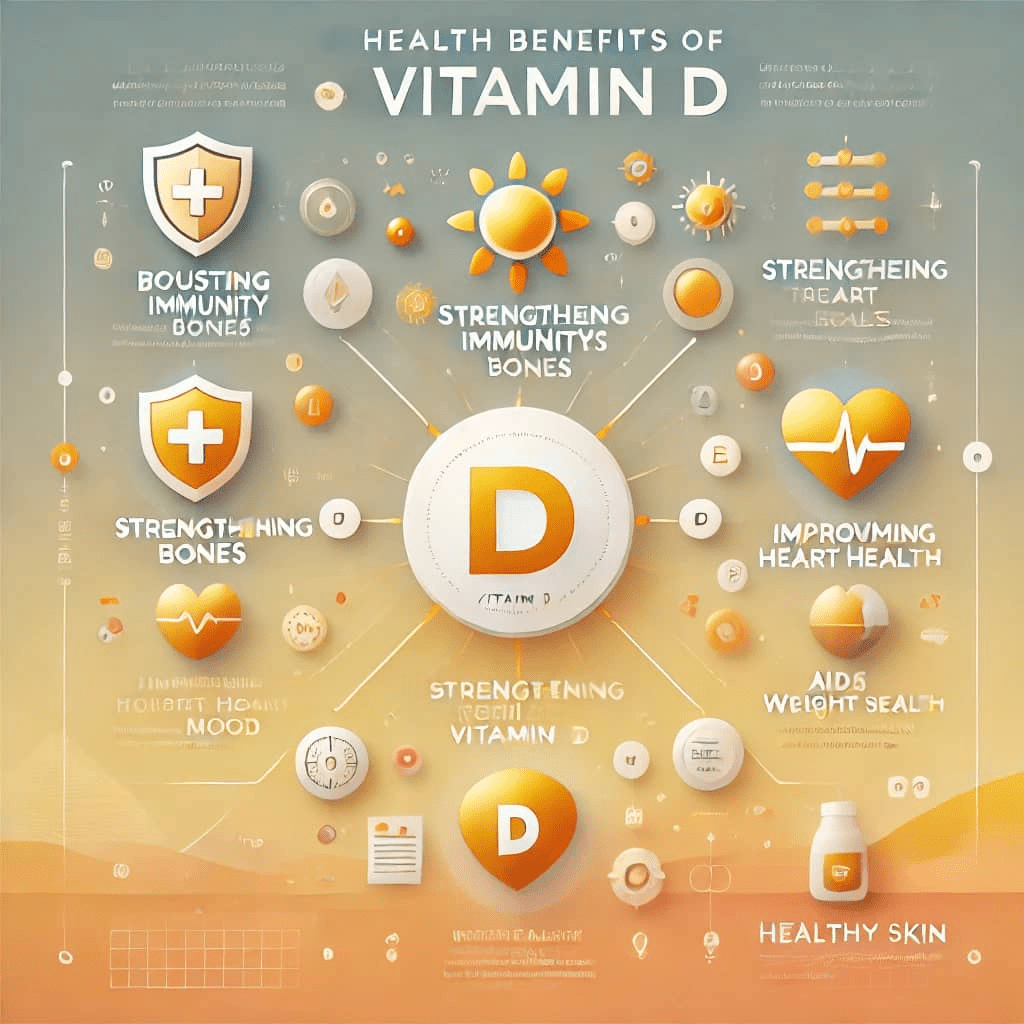
Vitamin D Benefits: Ways This Sunshine Vitamin Enhances Your Health.
Vitamin D is often called the sunshine vitamin that your body craves. While you might know it's essential for strong bones, its benefits extend far beyond that. Did you know that this remarkable vitamin plays a crucial role in everything from boosting your immune system to brightening your mood?
Whether you are struggling with low energy levels, frequent illnesses, or just wanting to optimize your health, understanding vitamin D's impact on your well-being is vital. In this comprehensive guide, we'll explore 10 science-backed ways vitamin D transforms your health.
From enhancing your body's natural defenses to supporting brain function, you will discover why this sunshine vitamin is a cornerstone of good health. Ready to unlock the full potential of vitamin D and revolutionize your health journey? Let's dive into these game-changing benefits.
Key Takeaways:
Vitamin D plays a crucial role in strengthening your immune system, helping your body fight off infections, and reducing the likelihood of severe illness.
Adequate vitamin D levels are essential for proper calcium absorption and bone growth, particularly important for older adults and growing children.
This sunshine vitamin has significant anti-inflammatory effects, potentially helping manage autoimmune diseases and reducing inflammatory conditions.
Low vitamin D levels have been linked to increased risk of heart disease, making it an important factor in cardiovascular health.
Your body's vitamin D absorption can be affected by various factors, including skin color, sun exposure, and body weight.
The Science Behind Vitamin D
Vitamin D stands out as a unique nutrient that functions more like a hormone in our body. When sunlight hits our skin, it triggers a fascinating chemical reaction that transforms cholesterol into this essential vitamin. Your skin contains a special form of cholesterol that, when exposed to UVB rays, converts into vitamin D3. This initial form is not immediately usable by your body. It travels through your bloodstream to the liver, where it'stransformed into calcidiol. The final activation happens in your kidneys, producing calcitriol.
Nature provides us with two primary forms of vitamin D. Vitamin D2 (ergocalciferol) comes from plant sources and fortified foods, while vitamin D3 (cholecalciferol) is produced by your skin and found in animal-based foods. Research shows that D3 is generally more effective at raising vitamin D levels in your blood.
At the cellular level, vitamin D works by binding to specific receptors found in nearly every cell in your body. These vitamin D receptors act like tiny locks that, when activated, can turn genes on or off. This explains why vitamin D influences so many different body functions, from bone formation to immune response.
Functions of Vitamin D
1. Bone and Muscle Health Enhancement :
Vitamin D plays a pivotal role in maintaining strong bones and healthy muscles throughout our lives. This essential nutrient works behind the scenes to keep our skeletal system robust and our movements fluid.
1.1. Strengthening Bone Structure
Vitamin D acts as a master regulator of calcium absorption in our bodies. Without adequate vitamin D, our bodies can only absorb 10-15% of dietary calcium, compared to 30-40% with sufficient levels. This enhanced calcium absorption directly contributes to bone mineralization, making our bones stronger and more resilient.
The sunshine vitamin also helps maintain the delicate balance between bone formation and breakdown. It stimulates specialized cells called osteoblasts that build new bone tissue while regulating osteoclasts that break down old bone material. This balanced process keeps our skeletal framework sturdy
and prevents bone-related conditions.
For children, vitamin D is crucial during growth periods to prevent rickets - a condition causing soft, weak bones. In adults, especially post-menopausal women, adequate vitamin D levels help ward off osteoporosis and reduce fracture risks.
1.2. Enhancing Muscle Performance
When vitamin D binds to these receptors, it triggers protein synthesis essential for muscle growth, performance, recovery, and maintenance. Vitamin D enhances calcium absorption for stronger bones.
Research shows that maintaining optimal vitamin D levels can:
- Improve muscle strength and power
- Enhance physical performance
- Reduce muscle pain and fatigue
- Lower the risk of falls, especially in older adults- Support faster recovery after exercise
Studies have found that athletes with sufficient vitamin D levels demonstrate better muscle function and reduced injury risks compared to those with deficiencies. For older adults, adequate vitamin D combined with regular exercise can help maintain muscle mass and reduce the risk of age-related muscle loss.
2. Immune System Support
Vitamin D plays a crucial role in strengthening our immune system, acting as a powerful defender against various illnesses and infections. This essential nutrient works tirelessly to keep our body's defense mechanisms in top shape.
2.1. How Vitamin D Boosts Immunity
Vitamin D receptors are present in nearly all immune cells, making it a vital component for optimal immune function. When we maintain adequate vitamin D levels, our body becomes better equipped to produce antimicrobial proteins that fight off harmful bacteria and viruses.Vitamin D helps activate T cells, our body's first line of defense against pathogens. These cells remain
dormant and inactive if they don't receive enough vitamin D, leaving us more
susceptible to infections.
2.2. Protection Against Respiratory Infections
One of the most significant benefits of vitamin D is its ability to protect against respiratory tract infections. Studies have found that people with sufficient vitamin D levels are less likely to develop severe respiratory illnesses. A comprehensive review involving over 11,000 participants revealed that regular vitamin D supplementation reduced the risk of acute respiratory
infections by 12%. This protection was even more pronounced in individuals who were initially deficient in vitamin D.
The nutrient works by:
- Reducing inflammatory responses in the airways
- Strengthening the physical barrier against pathogens
- Enhancing the production of antimicrobial compounds
- Supporting the function of immune cells in the respiratory system
Recent research has also highlighted vitamin D's potential role in supporting immune response during viral infections. It helps regulate the production of inflammatory cytokines and stimulates the production of potent antimicrobial peptides in the lungs.
3. Heart Health Protection
Vitamin D plays a crucial role in maintaining cardiovascular health through multiple mechanisms. Research shows that adequate vitamin D levels can significantly reduce the risk of heart disease and related complications.
3.1. Blood Pressure Regulation
Vitamin D receptors are present throughout the cardiovascular system, helping regulate blood pressure levels. Studies indicate that maintaining optimal vitamin D levels can help prevent hypertension by keeping blood vessel walls healthy and flexible. This sunshine vitamin also helps control the production of renin, an enzyme that influences blood pressure.
3.2. Arterial Health Support
The nutrient works actively to prevent calcium buildup in your arteries, reducing the risk of atherosclerosis. It helps maintain the elasticity of blood vessels and promotes proper blood flow throughout the body. Research suggests that individuals with adequate vitamin D levels have a lower risk of developing arterial stiffness.
3.3. Inflammation Control
One of vitamin D's most significant cardiovascular benefits is its anti - inflammatory properties. It helps reduce chronic inflammation in blood vessels, which is a major contributor to heart disease. By controlling inflammatory markers in the body, vitamin D helps protect the heart from damage and supports overall cardiovascular function.
3.4. Cholesterol Balance
Vitamin D aids in maintaining healthy cholesterol levels by helping the body process and eliminate excess cholesterol. Studies have shown that people with sufficient vitamin D levels often have better HDL (good) to LDL (bad) cholesterol ratios, contributing to improved heart health.
3.5. Heart Muscle Function
The vitamin supports proper heart muscle function by regulating calcium levels in heart cells. This helps maintain regular heart rhythm and ensures efficient pumping action. Research indicates that adequate vitamin D levels can reduce the risk of heart failure and other cardiac complications.
4. Mental Wellness and Cognitive Function
The fascinating connection between vitamin D and mental health extends far beyond just mood regulation. Research shows that adequate vitamin D levelsplay a crucial role in maintaining optimal brain function and emotional well- being.
4.1. Impact on Mood Disorders
Vitamin D receptors are present throughout the brain, particularly in areas responsible for mood regulation. Studies have shown that people with depression often have lower vitamin D levels. Maintaining proper vitamin D levels can help reduce symptoms of seasonal affective disorder (SAD) and general depression.
4.2. Brain Health Support
This sunshine vitamin helps protect brain cells and supports the production of important neurotransmitters like serotonin. It also aids in reducing inflammation in the brain, which is linked to various cognitive issues and mood disorders. Research indicates that vitamin D deficiency may impact memory and concentration. Adequate levels help maintain cognitive function, especially in older adults. The vitamin supports nerve growth and helps form new neural connections, essential for learning and memory retention.
4.4. Stress Management
Vitamin D helps regulate cortisol levels, our body's primary stress hormone. Proper vitamin D levels can help improve our body's stress response and promote better emotional resilience.
5. Metabolic Health Management
Vitamin D plays a crucial role in regulating various metabolic processes in your body. When your vitamin D levels are optimal, it helps maintain a healthy metabolism and supports overall metabolic health.
5.1. Blood Sugar Balance
Vitamin D receptors are present in pancreatic cells that produce insulin. This sunshine vitamin helps improve insulin sensitivity and reduces insulin resistance, which is essential for maintaining stable blood sugar levels. Research shows that adequate vitamin D levels can lower the risk of developing type 2 diabetes by up to 43%.
5.2. Thyroid Function
Your thyroid gland, which is crucial for metabolism, contains vitamin D receptors. Maintaining proper vitamin D levels helps support optimal thyroidfunction. This ensures your body efficiently converts food into energy and regulates important metabolic processes.
5.3. Metabolic Syndrome Prevention
Adequate vitamin D levels have been linked to a reduced risk of metabolic syndrome - a cluster of conditions including high blood pressure, high blood sugar, and abnormal cholesterol levels. Regular monitoring and maintaining optimal vitamin D levels through sunlight exposure, diet, or supplements can help prevent these metabolic complications.
6. Optimal Vitamin D Levels
Understanding optimal vitamin D levels is crucial for maintaining good health and preventing deficiency-related complications. Your body needs the right amount of this essential nutrient to function properly and support various biological processes.
6.1. Recommended Vitamin D Levels
The ideal vitamin D level differs from one age group to another. However, some healthcare providers suggest maintaining levels between 30 and 50ng/mL for optimal health benefits. Different age groups and conditions may require varying levels:
Children and teenagers: 20-30 ng/mL
Adults up to age 70: 20-40 ng/mL
Adults over 70: 30-50 ng/mL Pregnant women: 40-50 ng/mL
Regular monitoring of vitamin D levels annually or every 6 months if you are at risk of low vitamin D levels is essential, especially if you're at risk for deficiency.
Conclusion
The transformative power of vitamin D extends far beyond what most people realize. This sunshine vitamin is essential for optimal health, from strengthening your bones and boosting immunity to improving mood and fighting inflammation.
You can unlock these incredible health benefits by maintaining adequate vitamin D levels through sunlight exposure,aproper diet, and supplementation when necessary. Remember, whether you are dealing with low energy levels, frequent illnesses, or simply aiming to enhance your overall well-being, vitamin D plays a crucial role in your health journey.
Take charge of your health today by ensuring you're getting enough of thisvital fat-soluble vitamin. Your body will thank you with stronger bones, a more
robust immune system, and improved overall wellness.
Read More Blogs

Care to know Fruits that protect your heart?
If you are looking to keep your heart beating strong and steady, your fruit bowl might be a good place to start. Some fruits come packed with nutrients that help lower blood pressure, reduce choles

“7 Tasty Foods That Could Be Raising Your Cholesterol — And What to Eat Instead”
Let’s be honest — the foods that tempt us most are often the ones our hearts wish we could skip. High LDL (“bad”) cholesterol doesn’t show up overnight, but eating cer

10 Reasons Walking Daily Can Change Your Life
Let’s be honest — when most people think of fitness, they imagine sweating it out in the gym, lifting heavy weights, or running miles on a treadmill. But guess what? One of the most pow